Energy, ESG and the Malaysian Context
Measured savings, green-building evidence and the tropical building data behind them.
Our Specialism
We Specialise in KNX Projects Under RM100,000
Nobody in Malaysia has delivered more. 388 of our 524 systems were contracted below RM100,000, in homes, offices, factories and campuses, with the same topology discipline, documentation and witnessed handover as our largest jobs.
- Projects Under RM100k
- 388
- Share of Our Record
- 74%
- Median Contract
- RM38,400
- Complete Systems From
- RM15,000
- Residential RM24,600 Double-storey terrace, whole home, Setia Alam
- Commercial RM58,300 Shoplot café, trading through the install, George Town
- Industrial RM78,500 22-aisle warehouse zoning, Port Klang
- Higher Education RM62,800 Two 300-seat lecture theatres, Bangi
Hit Your Energy & ESG Targets - with the Data to Prove It
Landlords, manufacturers with export customers and universities with campus sustainability targets increasingly demand measurable sustainability. KNX gives you the control to cut consumption and the data to evidence it for green-building and ESG reporting.
Carbon Reduction
Lower kWh from smart HVAC, lighting and load management directly cuts Scope 2 emissions.
Measured & Verified
Sub-metering and logging give auditable figures - no estimates, real meter data.
Green-Building Support
Control & monitoring evidence that supports GBI, GreenRE and LEED-style submissions.
ESG-Ready Reporting
Automated energy & efficiency reports your management can drop straight into ESG disclosures.
Turn “We Should Save Energy” Into a Number on a Report
We baseline your current consumption, tune the system, and deliver a before/after that stands up in a board meeting.
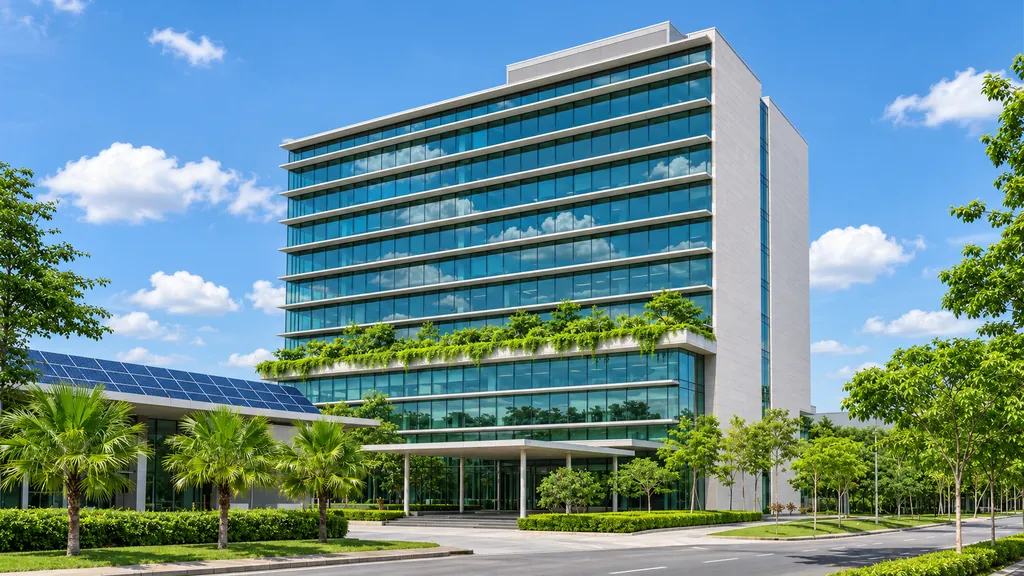
Rating tools ask for evidence, not intent.
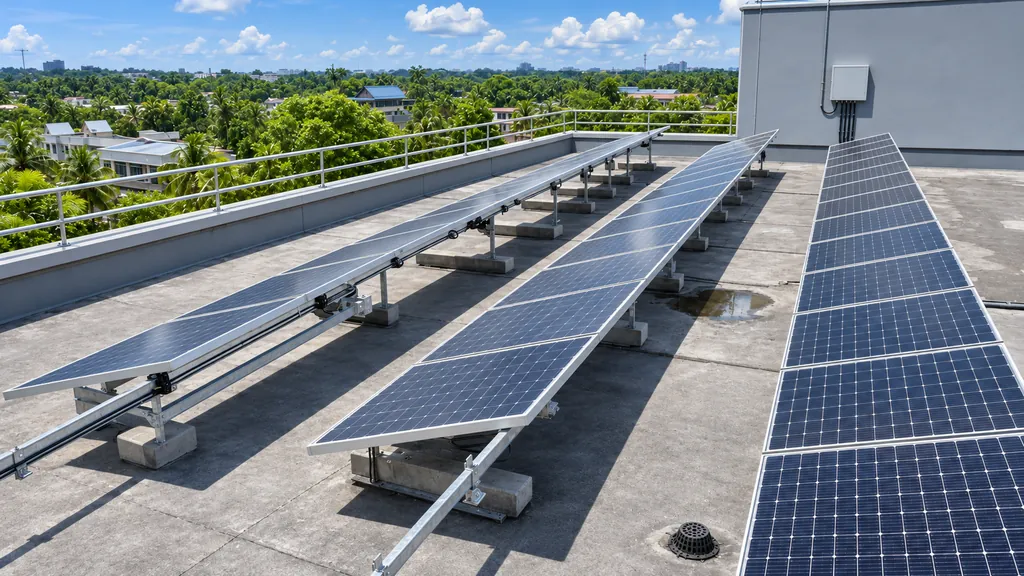
Generation is only half of it. The other half is when loads run.
Built to Support Malaysia’s Green & Energy Rules
KNX gives you the control and the metered data that Malaysian energy regulations, green-building rating tools and tax incentives increasingly ask for. We help you turn compliance into savings.
MS 1525
Malaysian Standard for energy efficiency in non-residential buildings. KNX lighting, HVAC scheduling and sub-metering directly support its targets.
Energy Commission (ST) · EECA 2024
Under the Energy Efficiency and Conservation Act 2024, large energy consumers must appoint a registered energy manager and report consumption. KNX delivers the sub-metered data those reports are built on.
GBI & GreenRE
Malaysia’s green-building rating tools award credits for energy management and controls - KNX monitoring and automation contribute evidence.
GITA · MyHIJAU (MIDA)
Green Investment Tax Allowance supports qualifying green assets. Smart energy-management systems may be eligible - subject to MIDA/MyHIJAU listing and tax advice.
Low Carbon Cities Framework (LCCF) · MGTC
The Low Carbon Cities Framework, run by MGTC, pushes buildings to cut carbon. KNX gives measurable reductions that count toward city targets.
UBBL & Demand Management
Better load and Maximum-Demand management helps you stay efficient under TNB commercial tariffs and local by-law expectations.
Programme names and thresholds are provided for general guidance only; eligibility and current requirements should be confirmed with the relevant Malaysian authority or a qualified advisor.
Tailored for Malaysia’s Climate & Lifestyle
Engineered for our weather and for how Malaysian homes, offices, factories and campuses actually run.
Climate Optimisation
- Tropical heat management: AC adapts to outdoor temperature & humidity (25-35°C, 70-90% RH) typical of KL, JB and Penang.
- Monsoon protection: rain sensors close windows and retract awnings during sudden downpours.
- Natural ventilation: smart window logic maximises cool morning/evening airflow, cutting AC dependency.
Malaysian Lifestyle Integration
- Prayer-time integration: surau, office and factory schedules follow local azan timings, with Friday-prayer and Ramadan shift profiles.
- Shift and semester calendars: factory shift changes, university semester breaks and exam weeks loaded once and switched by the operator.
- Security focus: guardhouse, barrier and CCTV integration for gated communities, industrial parks and campuses; panic-button alerts.
- Festive modes: Raya, CNY and Deepavali scenes for homes, hotel lobbies and mall atriums.
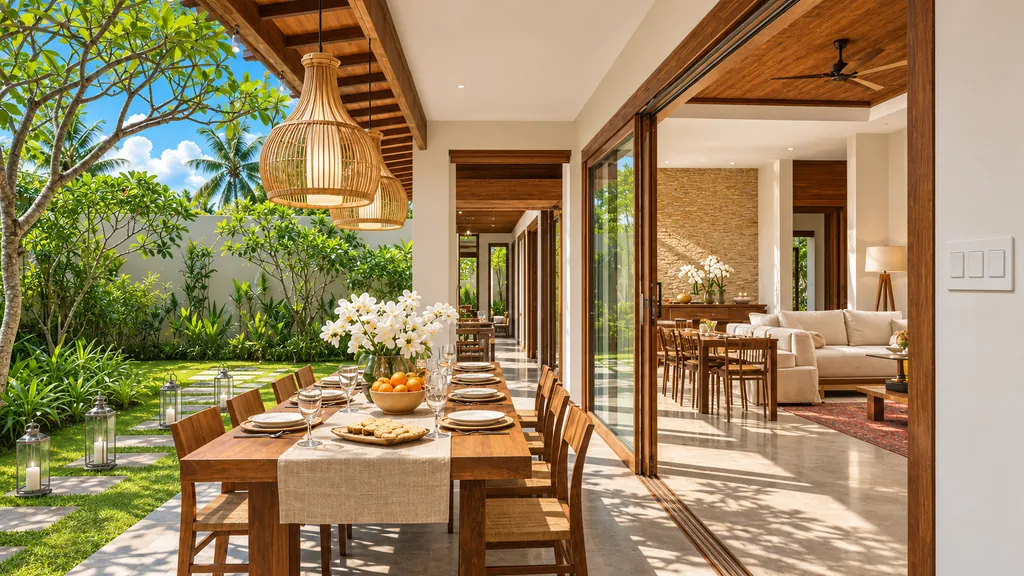
Open-house scene, one button
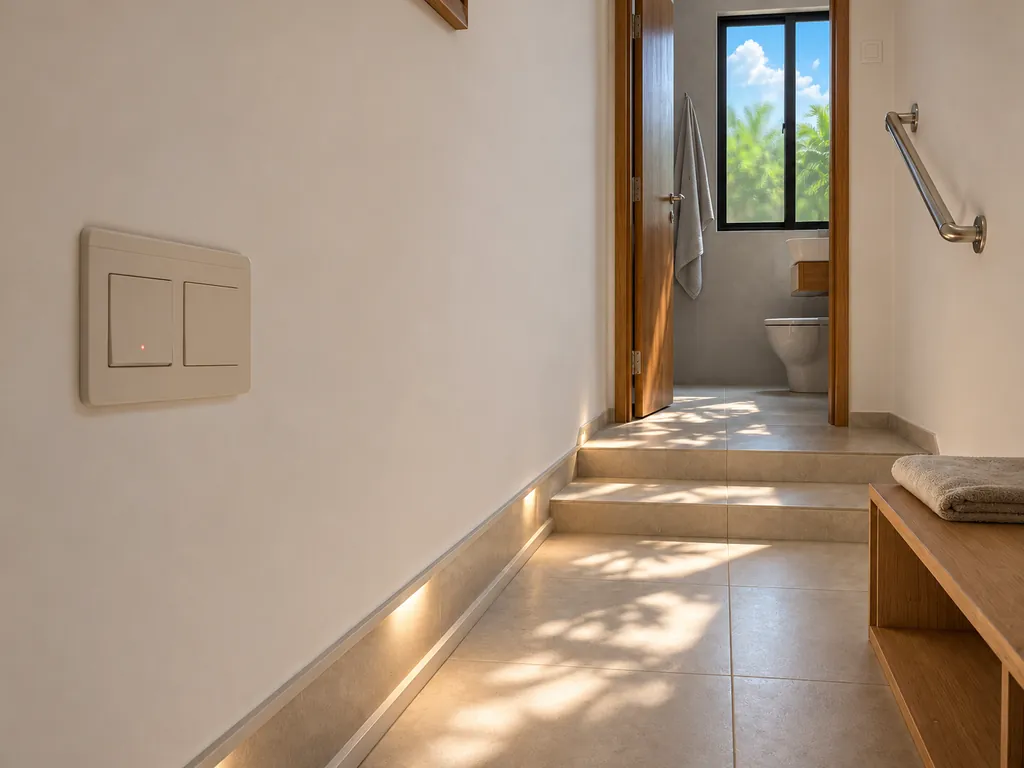
Safe path lighting for older residents
Why Malaysians Choose Us
Monsoon-Ready
Systems built for tropical weather & power conditions.
Hacking-Free Options
Wireless KNX RF for occupied buildings.
Cultural Fit
Prayer, festive and people-first logic.
The “Peter Teh” Guarantee
- Honest, right-sized quotes
- No vendor lock-in, ever
- Full documentation & handover
- 5-year workmanship warranty
- You reach the engineer directly
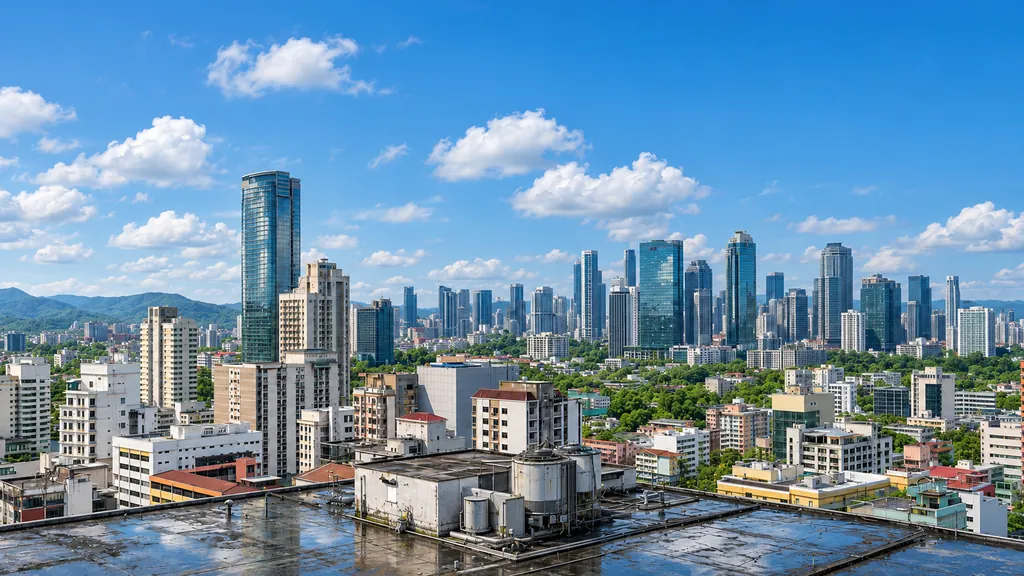
Built for hard sun and the storm that follows it.
Rain and wind sensors retract shading and close vents before the building takes water.
The Data Behind a Tropical Building
Malaysia’s heat, humidity and electricity tariffs make automation pay faster here than in temperate climates. Pick a city to see the local picture - and where KNX claws back cost.
up to 60%
of a building’s electricity goes to air-conditioning
20-35%
energy typically recoverable with KNX control
25-35°C
year-round temperature, 70-90% humidity
~RM40 / kW
typical TNB demand-related charge (capacity and network)
SELECTED CITY
{{ myC.name }}
AVG HIGH
{{ myC.hi }}°C
HUMIDITY
{{ myC.rh }}%
RAINFALL
{{ myC.rain }} mm
SUN HOURS
{{ myC.sun }} /day
COOLING DEMAND INTENSITY
{{ myC.cool }}/100 - higher heat & humidity means more AC runtime KNX can optimise.
KNX OPPORTUNITY
{{ myC.note }}
// Climate figures are typical annual averages for general guidance.
Shave the Peak, Shrink the Bill
Malaysian commercial tariffs charge for your highest 30-minute demand (kW) - not just energy used. KNX staggers start-ups and sheds non-essential loads to flatten that peak. Toggle KNX below to see the effect.
PEAK DEMAND
{{ mdPeak }} kW
EST. MD SAVING
RM {{ mdSaving.toLocaleString() }}/mo
Daily load profile (kW)
{{ md.shaved?'capped at '+mdCap+' kW':'uncontrolled' }}Questions We Are Asked About This
How much energy can KNX actually save in a Malaysian building?
Does KNX help with EECA 2024 energy reporting?
How does KNX help us hit MS 1525 and green-building credits on a submission?
Can KNX reduce our TNB maximum-demand charge?
How does KNX handle Malaysia’s power outages and voltage fluctuations?
Book a Design Review
Send the drawings, the problem, or just the building type. Peter replies with the right next step: a design-stage review, a site survey, a diagnostic call-out or a scoped quotation. Response within one working day.
Talk to the Engineer Directly
Peter Teh (Teh Hon Kee)
Lead KNX Integrator
Phone / WhatsApp
+6016-531 3713Based in
Kuala Lumpur · serving all Malaysia
Hours
Mon-Fri 9:00-18:00 · Sat 10:00-15:00
24/7 emergency cover on Gold contracts
Send Your Enquiry
Free Consultation
No-obligation site visit & quote within the Klang Valley.
Quick Response
We typically respond within 2-4 hours in business hours.
Detailed Quote
Itemised quotation with device specs within 3-5 days.
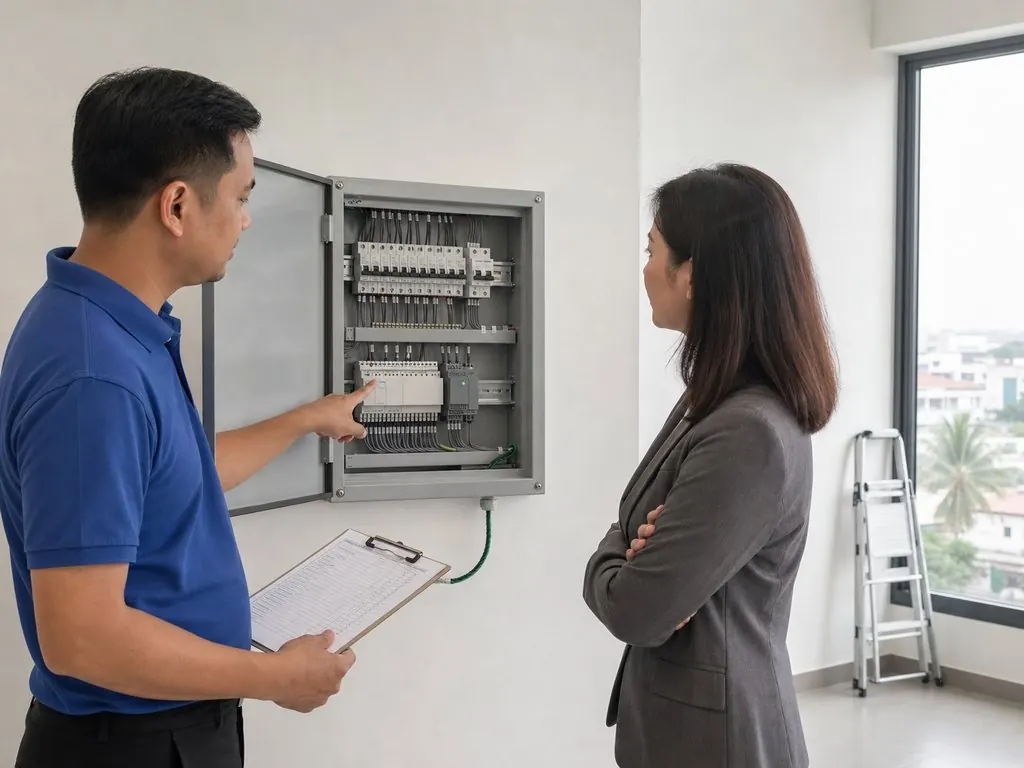
A design review costs you nothing and usually saves a redesign.
Bring drawings, a photo of the panel, or just the building type.